Table Of Content
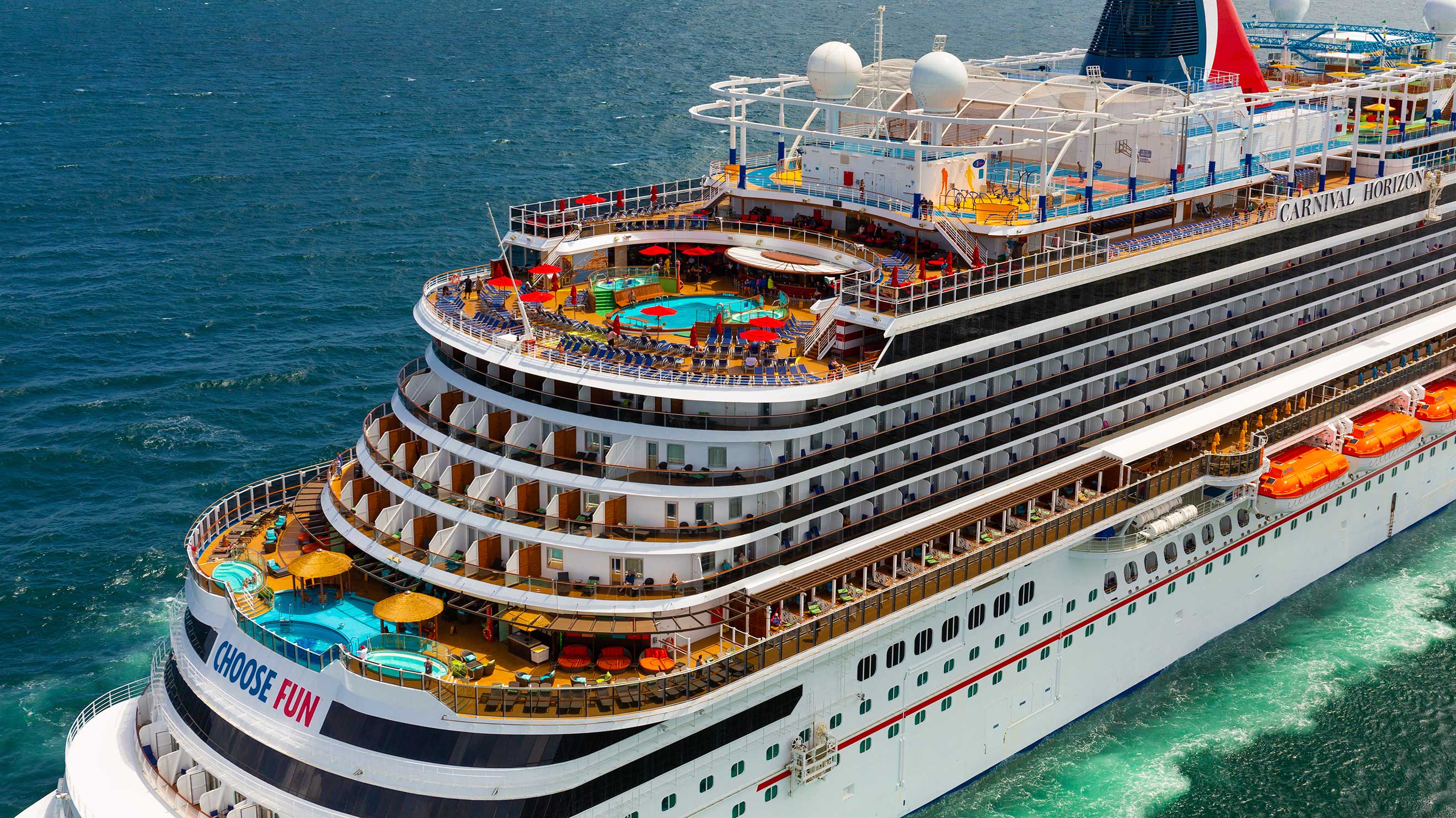
By decreasing its speed by three knots per hour, this ship could save 75 tons of fuel a day. With potential savings in fuel and cost of 33%, slowing down is better for the environment and the owner who writes the check to the fuel company. Cruise ship fuel efficiency varies based on factors such as itinerary and speed.
MSC Magnifica 14-night Northern Europe Live Voyage (Spring
Much like Judith, her family shares her enthusiasm for the sea, often accompanying her on cruise adventures and enriching her articles with their unique perspectives.
Passenger Comfort
In the post-war years of World War II, many ocean liners were competing to cross the Atlantic in the shortest amount of time. These propellor systems turn “screws” instead of long propellors like a plane. These screws need a lot of torque, instead of a lot of high-speed to operate. Cruising speed also improves fuel efficiency, the same way a certain speed improves fuel efficiency for your car. You may be able to drive your car at 80 MPH on the highway, but you’ll burn through a lot less gas if you drive at a steady 65 MPH. The measurement of miles on land dates back to Roman times and is based on 1,000 paces (only counting the left foot).
Cunard World Voyage 2017: Queen Elizabeth itinerary
What is the Top Speed of a Cruise Ship Ever Recorded? - Cruise Hive
What is the Top Speed of a Cruise Ship Ever Recorded?.
Posted: Fri, 07 Jul 2023 07:00:00 GMT [source]
This benefits passengers by getting them to their destinations faster, providing more time to explore and experience the freedom of the open sea. Generally, modern cruise ships don't have to be fast - it's not necessary at all. And the latest trend is cruise ships also must be more and more fuel-efficient. The size of a cruise ship plays a significant role in determining its speed.
Carnival Ship Rescues 27 People Adrift at Sea in the Caribbean
1 knot is equal to 1 nautical mile per hour, or 1.15 mph and 1.852 km/h. Cruise ships have strict emergency response plans and safety protocols in place to handle any situation at sea. These plans include evacuation procedures, communication protocols, and regular training exercises for crew members to ensure the safety of passengers and crew. On the flip side, nautical miles, established in 1929, are tied to the Earth’s latitudinal degrees – one nautical mile equals one minute of latitude.
If you were planning on taking a trip across the Atlantic Ocean, then you’d probably want to plan on setting sail at night time when winds tend to be stronger and seas calmer. You wouldn’t want to set off during high wind season when waves are higher and currents are much slower. The average cruising speed for most modern cruise liners is around 14 knots. This means that when traveling under full power, a cruise liner will travel approximately 1 knot faster than what would be considered “normal” or top speed. Most cruise lines are not looking to make their ships faster though, as this is not environmentally friendly. Rather, cruise ships are being built to improve efficiency that would allow the ship to consume less fuel while sailing at the same speed.
The number of passengers onboard a cruise ship can also affect its speed. Ships with a higher passenger capacity may have to travel at a more moderate speed to ensure the comfort and safety of everyone on board. Royal Caribbean says its cruise ships go as fast as 18 to 20 knots, depending on the specific ship and itinerary travelled. Luckily, modern cruise ships can sail fast to avoid a storm when needed, while large, choppy swells might require the ship to sail at a slower pace for safety. Wind speed and direction play a major role in cruise ship speed as well. If the ship is sailing into a headwind, it needs to use more fuel and engine power to maintain speed.
Thankfully, emergencies don’t happen all that often on the high seas aboard a cruise ship. If someone falls off the boat, the ship has to slow down and turn around to attempt to rescue. Sometimes, another vessel requires assistance, and the crew prepares the boat for top speed to answer the SOS. In case of an outbreak of illness or disease on board, ships sometimes must anchor offshore or cruise around until they are cleared to enter their port of call. Cruise ships crossing the Gulf of Alaska often slow down to let passengers share close encounters with the magical sea life in the area.
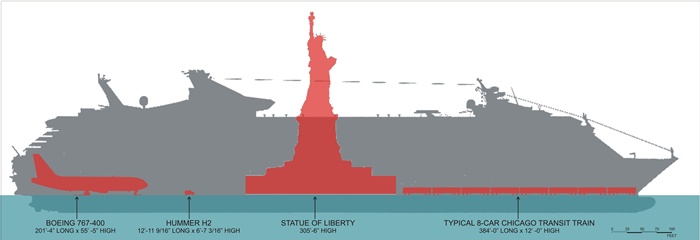
While speed is crucial for itinerary planning and passenger comfort, cruise lines must balance this with fuel efficiency and sustainability concerns. Now, the speed of most cruise ships isn’t just a “one knot fits all” deal. Everything from the ship’s design, the weather (rough seas require slower speeds), and even fuel efficiency come into play. It’s a delicate dance, or should we say, a well-coordinated sea shanty of factors that keeps these vessels smoothly sailing to your next port of call.
Currently employed as Marine Surveyor carrying cargo, draft, bunker, and warranty survey. Cruise ship captains earn an average annual salary of $54,541, with top earners making $79,500 per year. Our goal has been to provide our readers with expansive coverage of all aspects of the Royal Caribbean experience. While doing so, you’ll visit some amazing cities like Rome, Venice and Athens. First, you must determine how much extra power you need in order to increase your speed beyond what is normally required. Then, you must find ways to add that amount of power to your existing engine system.
Thirty knots is fast for a ship, and most cruise ships never travel at it. Speaking of innovative design enhancements, have you heard about the hull design tweaks? Scientists, engineers, and what I can only assume are maritime magicians working on optimizing hull shapes to reduce water resistance and hence increase ship speed.
Endearing herself to readers with her warm, personable writing style, Judith has become a trusted voice in the cruising community. She is the go-to source for tips, advice, and comprehensive information on cruising. As a tireless explorer and devoted family woman, Judith Eve embodies the essence of the adventurous spirit, inspiring readers to set sail and create their own sea stories. My social media presence on Instagram, Facebook, YouTube, Twitter, and LinkedIn has given me the opportunity to share cruise planning tips, advice, and insights with a wide audience. Azipods consist of a pitched propeller mounted within a steerable pod. I worked as an officer in the deck department on various types of vessels, including oil and chemical tankers, LPG carriers, and even reefer and TSHD in the early years.
Typically, the Azipods all point in the same direction, towards the ship’s stern, which propels the ship forward. However, captains can adjust the amount of thrust and the direction of each pod, allowing the vessel to turn or even travel in reverse. Of course, putting a massive cruise ship in reverse is a bit different than backing up your car. They tend to have a longer, pointed bow that helps them navigate high rising ocean waves. They also have an extra thick hull to maintain stability in rough conditions.
I took my first Carnival cruise on its newest ship. Here are my honest thoughts - Cruise Blog
I took my first Carnival cruise on its newest ship. Here are my honest thoughts.
Posted: Mon, 23 Oct 2023 07:00:00 GMT [source]
The fastest cruise ship currently in service is the Queen Mary 2, capable of speeds up to 30 knots. Unless you’ve undertaken illegal drag racing, the chances are you haven’t. While this is partly because of safety concerns and law, your car also burns more fuel the faster you go. By using the Azipods and bow thrusters together, cruise ship captains can easily navigate ports and other tight areas that cruise ships travel.
Faster speeds require more fuel, increasing operational costs, and potentially ticket prices. Thus, cruise ships often travel at an optimum speed that balances time efficiency and fuel consumption. Innovations in ship design and propulsion systems aim to improve this balance, allowing ships to travel at faster speeds without significantly impacting their fuel economy.
Figuring out how fast cruise ships go goes hand in hand with learning all about cruise ship travel. Exploring how cruise ships operate teaches us all about the speed of a cruise, the differences between ship types, and general marine travel. Cruise ships generally maintain a consistent speed throughout the day and night. However, speeds may be adjusted based on weather conditions or other factors. Additionally, it’s essential to understand the terminology used when discussing a ship’s speed.


No comments:
Post a Comment